
Resource Library
Expert guidance on fuel compliance, hurricane preparedness, maintenance schedules, and industry regulations — written for Gulf Coast operators.
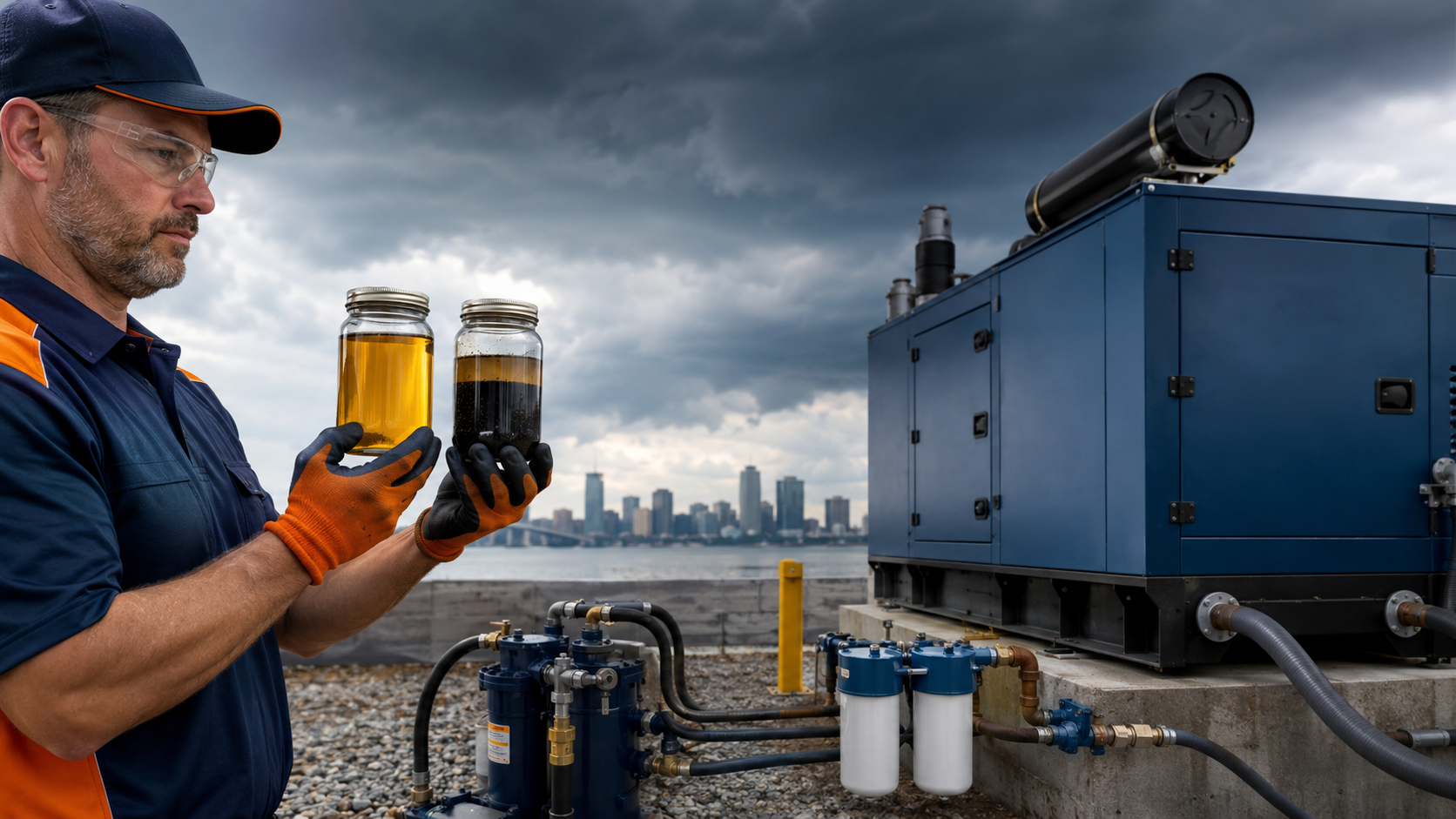
Hurricane Season Fuel Checklist: What to Do After June 1st
A practical, step-by-step guide for facility managers, vessel operators, and hospital administrators to keep their fuel systems ready throughout hurricane season — from June 1 through November 30. Covers weekly monitoring, polishing, storm response protocols, and compliance documentation.
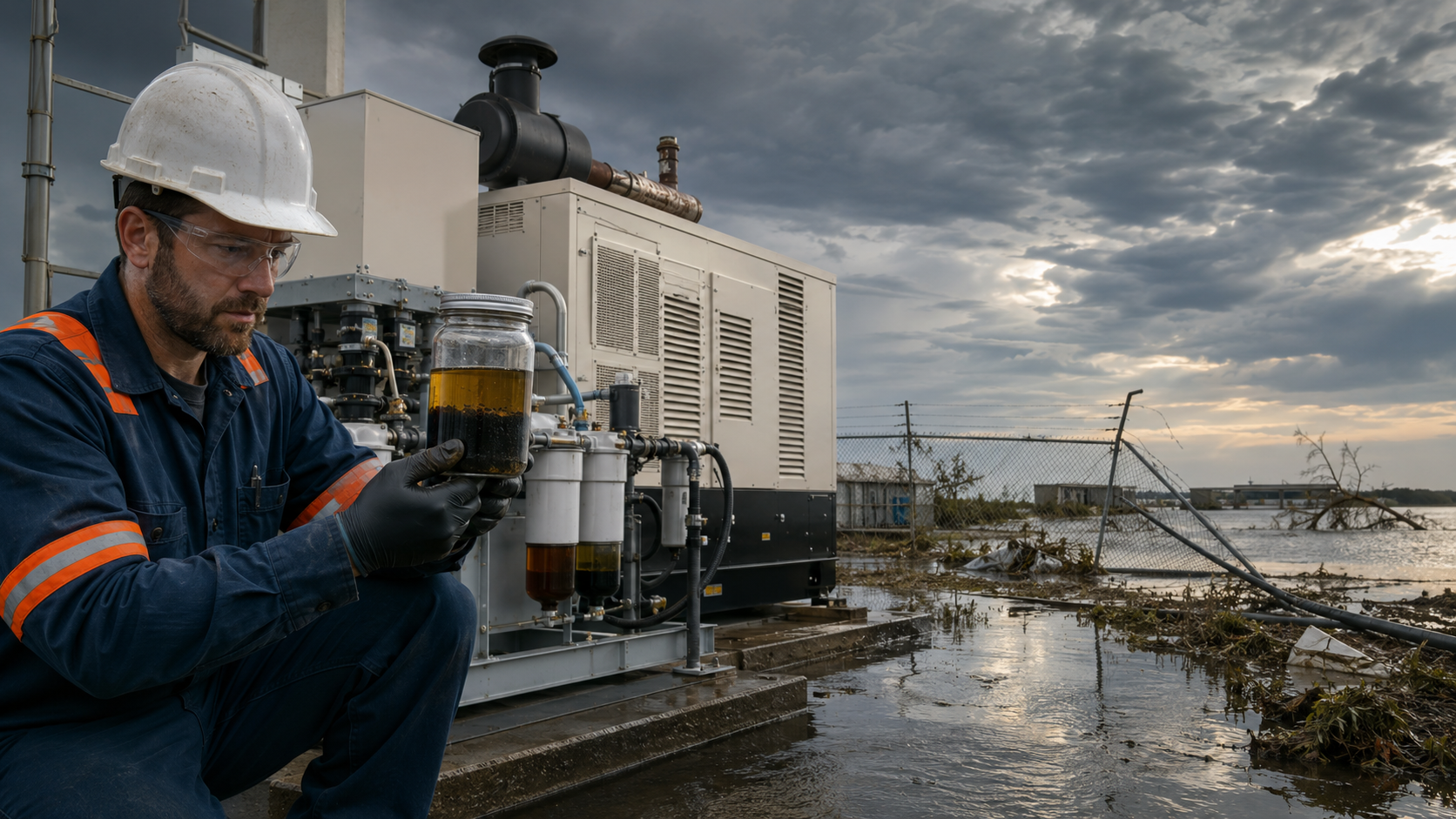
Why Generators Failed After Hurricane Ida — and How to Prevent It
Post-Ida analysis showed that contaminated and degraded fuel was a leading cause of emergency generator failure during extended power outages. We break down what happened, facility by facility, and what owners should have done differently.
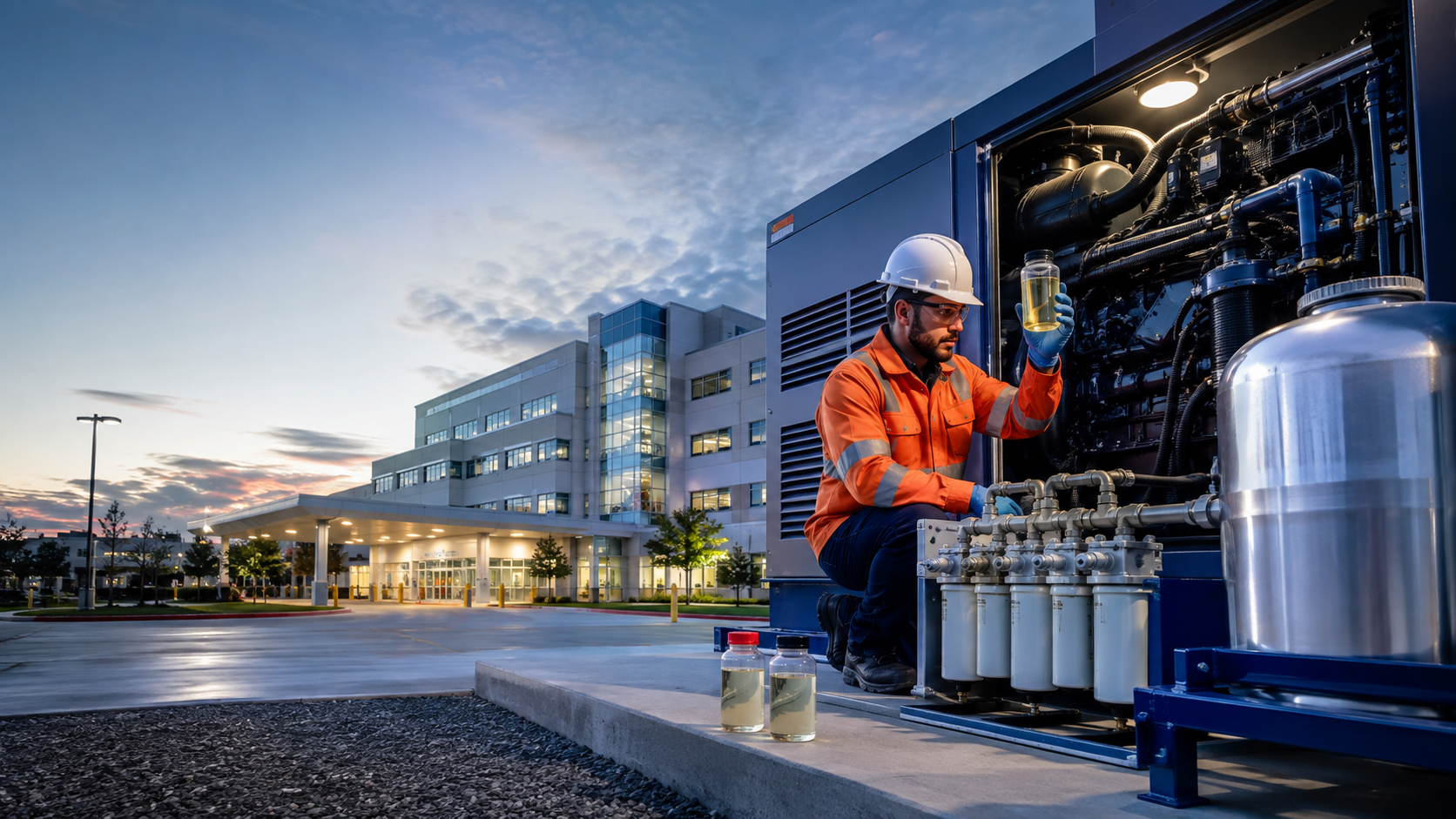
NFPA 110 Fuel Requirements: What Hospitals Must Know
NFPA 110 Section 8 requires that fuel in emergency power supply systems (EPSS) meet specific quality standards and be tested regularly. This guide explains the exact requirements, testing intervals, and documentation your facility needs.

ASTM D975 Explained: What It Means for Your Diesel Fuel
ASTM D975 is the primary federal standard for diesel fuel quality. This plain-English guide explains the key specifications — water content, sediment limits, cetane number, stability — and what happens when your fuel falls out of spec.

EPA Underground Storage Tank Rules: A Fuel Station Owner's Guide
Louisiana fuel station owners face both federal EPA and state DEQ underground storage tank requirements. This guide covers inspection schedules, leak detection requirements, fuel quality testing obligations, and how to avoid costly fines.

The 5 Signs Your Diesel Fuel Has Gone Bad
Diesel fuel does not last forever. Discoloration, hazy appearance, strong smell, filter clogging, and poor engine performance are all early warning signs of fuel degradation. Learn to spot them before they cause failures.
How Often Should You Polish Fuel? A Maintenance Schedule by Industry
The right polishing frequency depends on your industry, your climate, and how often your equipment runs. Here's our recommended schedule for marine vessels, hospital generators, commercial fleets, and retail fuel stations in the Gulf Coast market.
Microbial Growth in Diesel: What It Is and Why It Matters
Diesel fuel is a biological medium. In warm, humid climates like Louisiana's, bacteria and fungi thrive at the fuel-water interface, forming the black sludge that clogs filters and destroys injectors. Learn what causes it and how polishing stops it.
Before & After Gallery
The sludge vs. the clear fuel. This is what we do, and why it matters. Drag the slider on each panel to see the transformation.

Marine vessel diesel — 18 months without treatment. Heavy microbial contamination and water intrusion.

Hospital backup generator — discovered during pre-hurricane season inspection. NFPA 110 non-compliant.


Gas station UST — phase separation from ethanol-blended gasoline. Customer filter complaints triggered inspection.

Commercial generator at Elmwood business park — 3 years without polishing. Heavy oxidation byproducts.
Get Gulf Coast Fuel Updates
Subscribe to receive hurricane prep guides, compliance alerts, and maintenance tips for Gulf Coast fuel systems — delivered seasonally. No spam.
Unsubscribe anytime. We respect your inbox.
Have More Questions?
Browse our comprehensive FAQ, or contact us directly for guidance specific to your facility and fuel system.